
Animal Protection Weather Guidelines

Weather Guidelines

Attention: open in a new window. PrintE-mail

Hot Weather Guidelines

Download the Edmonton Humane Society HOT WEATHER WARNING NOTICES here
- leave at a place where you feel an animal could be at risk.


Here's an example of why animals should not be in cars in this weather - cookie baking demo in car where cookies burned! http://bit.ly/dsbNhg


Check out our SHAW TV feature on Summer Pet Safety. YouTube Video: (click here)  


On a Walk:


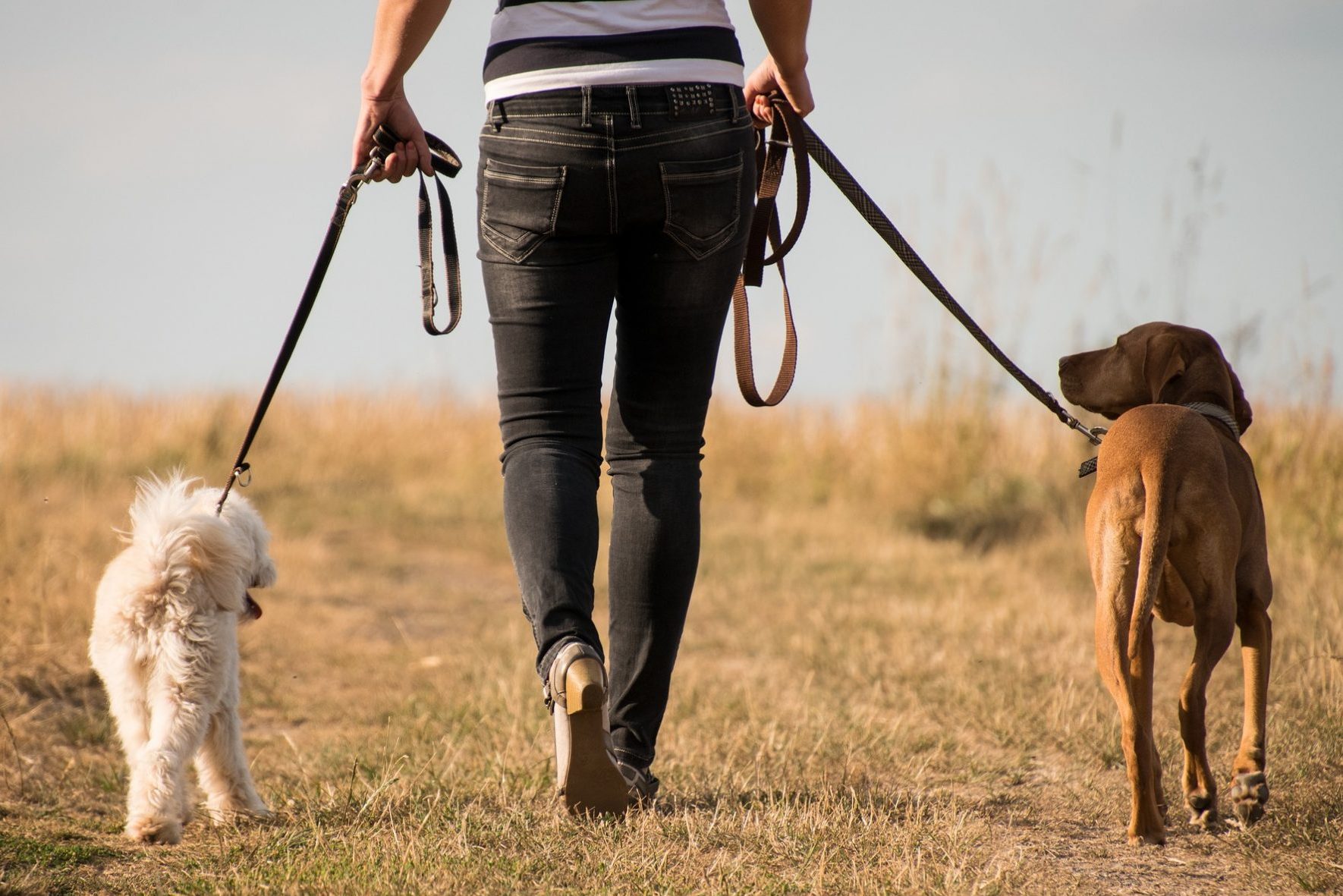
On a warm day, a simple walk can be extremely stressful if your pet is not able to cool down. Keep your pet cool by following these suggestions:

  • Carry cool water for your pet to drink at frequent intervals.
  • Occasionally spray your pet with cool water from a spray bottle.
  • Try to avoid open areas in the blazing sun- find shady areas that offer some relief.
  • Keep in mind that if YOU are feeling overheated, your furry friend is probably feeling hotter!


In Your Vehicle:

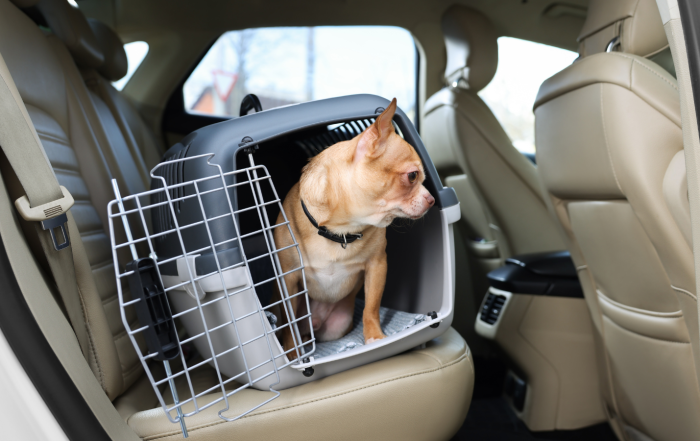
What many pet owners don’t realize is how hot a vehicle can become in such a short time. On a warm day, a vehicle acts like an oven, trapping the heat inside. In fact, the inside temperature of a vehicle can soar to 39ºC (100ºF) in as little as ten minutes, and to 49ºC (120ºF) within thirty minutes. This can happen even if the windows are slightly rolled down or if the vehicle is parked in the shade.


Animals do not sweat the same way as humans. With nothing but overheated air to breathe, a dog can only last a short time before suffering severe brain damage or even death. If possible, leave your pet at home. Or, if it is necessary to travel with an animal, travel with a passenger so you do not need to leave your pet in the car with the windows rolled up.


Signs of heat exhaustion include heavy panting, unsteadiness, vomiting, glazed eyes, or a tongue that has change in colour to deep red or purple. If your pet is suffering from heat exhaustion, apply cool (not cold) water to its entire body, not including its head. You can also give your pet small amounts of cool water to drink or ice cubes to lick, in addition to applying ice packs or cold towels to its head, neck, and chest. Take your pet to the nearest veterinarian as soon as possible. 


Cold Weather Guidelines

Edmonton Humane Society COLD WEATHER WARNING NOTICES can be downloaded here
- leave at a place where you feel an animal could be at risk.


DOGS:

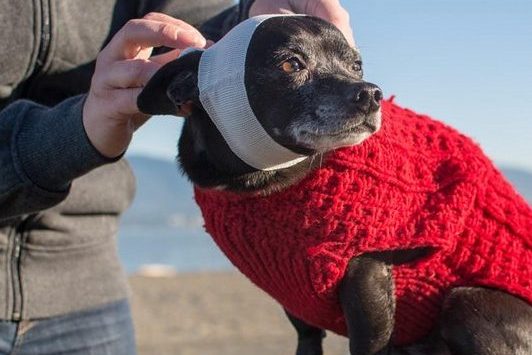
  • If you have an outdoor dog, provide it with an insulated doghouse with straw bedding, NOT a blanket. Blankets absorb moisture that will cause the blanket to freeze.
  • When your dog comes in from outside, thoroughly wipe off and towel dry its legs and stomach. Check sensitive paw pads, which may bleed from snow or ice encrusted in them. Watch for signs of distress such as shivering, licking feet, and refusing to play.
  • Elderly animals, young puppies, small dog breeds, and dogs with short hair should never be left outside for extended periods of time during cold or wet weather. It may be necessary to paper-train puppies inside during cold temperatures.
  • Dogs should never be allowed off leash on snow or ice, especially during a snowstorm. Dogs frequently lose their scent in snow and ice and can easily become lost.
  • Outdoor dogs require energy for warmth and should be fed an increased supply of food with plenty of protein. Provide fresh water in a non-metal dish, as a dog’s tongue can easily freeze to the metal. Snow is not a satisfactory substitute for water.


CATS:

  • Cats’ bodies are not designed for low temperatures- keep your cat inside.
  • Cats left outside in the winter will seek shelter in a warm place, and many choose the engine area of a warm parked vehicle. Before starting your car, check for nearby tracks, bang loudly on the hood, honk the horn, and wait a few seconds before starting the engine to give a cat a chance to escape.


DOGS & CATS:

  • Antifreeze, even in very tiny doses, is a lethal poison for dogs and cats. Because of its sweet taste, animals are attracted to it. Thoroughly clean up any vehicle spills and use less dangerous products that contain propylene glycol rather than traditional products that contain ethylene glycol.
  • Make sure animals have a warm place to sleep far away from all drafts and off the floor, such as in a bed or basket with a warm blanket or pillow. Tiles and uncarpeted areas may become extremely cold, so remember to place blankets and pads on floors in these areas.
  • Make sure all fireplaces have screens and keep portable heaters out of your pet’s reach.
  • Never leave pets alone in a vehicle during cold weather (or during hot weather for that matter). A vehicle can act as a refrigerator in the winter, holding in the cold, and the companion animal can freeze to death. If the car is left running, pets could die from breathing in carbon monoxide. Also, pets are often stolen from unattended vehicles.
newsletter
Website Designed and Powered by Strathcom Media